When it comes to preventative maintenance, some of the most critical components are also the easiest to overlook. One of those is the belt tensioner. While it may seem like a small part, a failing belt tensioner can lead to major engine issues, unexpected downtime, and costly repairs if not addressed early.
At Boss Truck Shop, we see belt and tensioner issues regularly—and the good news is that many of them are preventable with routine inspections and timely service.
What Does a Belt Tensioner Do?
The belt tensioner maintains proper tension on the engine’s serpentine belt, which powers essential components such as the alternator, water pump, power steering pump, and air conditioning compressor. If the belt tensioner isn’t doing its job, the belt can slip, wear unevenly, or fail entirely.
Why Belt Tensioners Matter
A worn or failing belt tensioner can cause:
- Squealing or chirping noises
- Belt slippage or misalignment
- Overheating due to water pump inefficiency
- Loss of charging power from the alternator
- Sudden belt failure leading to roadside breakdowns
In fleet and heavy-duty applications, these failures don’t just cost money—they cost time, productivity, and reliability.
How to Inspect a Belt and Tensioner
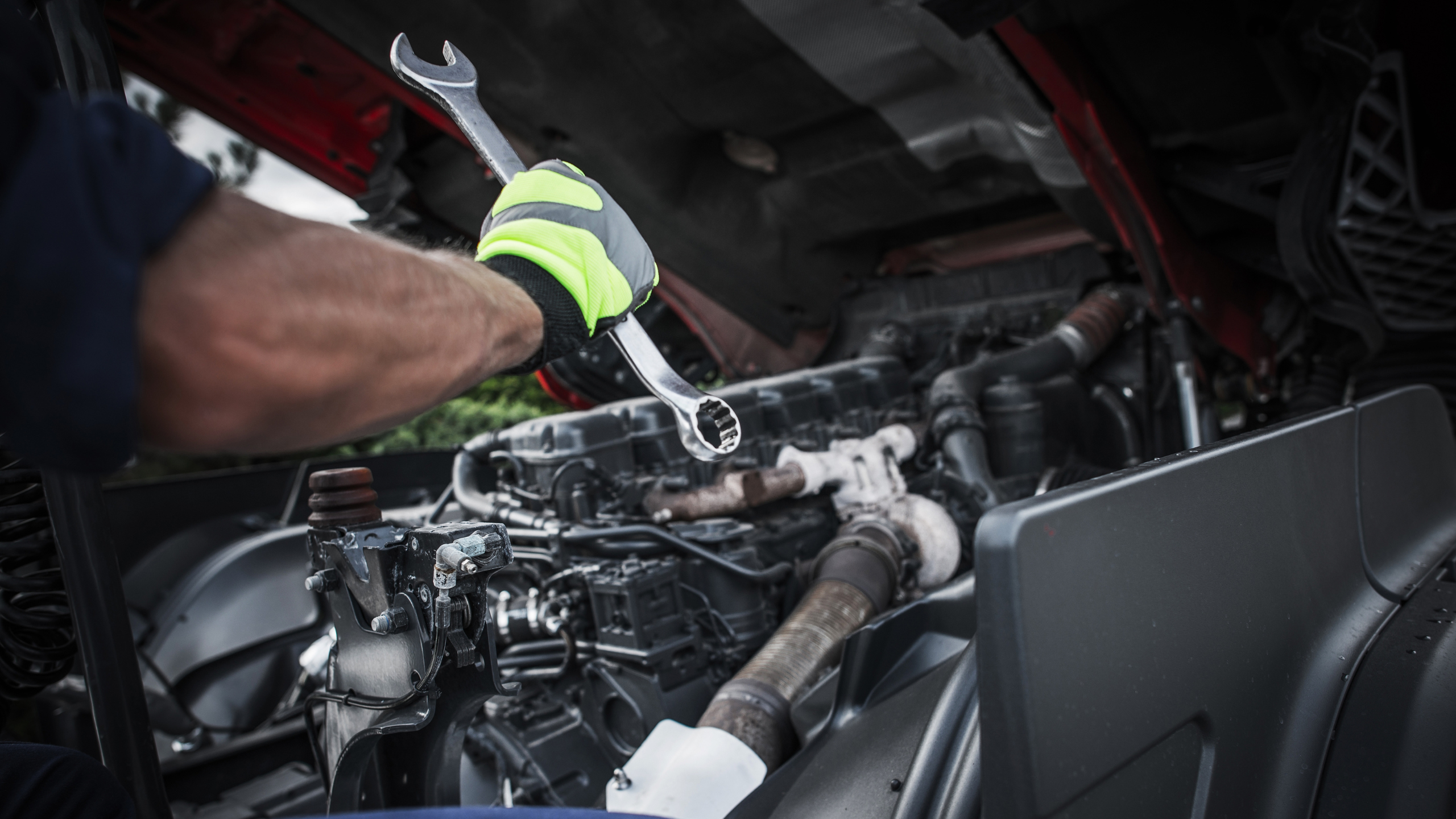
Regular inspections can help catch problems early. During a visual and hands-on inspection, technicians look for:
- Cracks, fraying, or glazing on the belt
- Uneven belt wear, which may indicate misalignment
- Weak or sticking tensioners
- Excessive belt movement or slack
- Noise or vibration during engine operation
Technicians may also manually check the tensioner arm for smooth movement and resistance. If it binds, feels loose, or doesn’t return properly, it’s likely time for replacement.
Measuring Tools & Professional Diagnostics
While visual checks are helpful, professional shops use specialized tools to measure belt wear and tension accurately. These tools ensure:
- Proper belt tension within manufacturer specifications
- Correct alignment across pulleys
- Identification of issues not visible to the naked eye
This level of precision is especially important for heavy-duty trucks and equipment, where belts operate under higher loads and longer run times.
Preventative Maintenance = Fewer Breakdowns
Replacing a belt tensioner during scheduled maintenance is far more cost-effective than dealing with a roadside failure. Preventative service helps:
- Extend belt life
- Protect engine-driven components
- Reduce unexpected downtime
- Improve overall vehicle reliability
At Boss Truck Shop, we focus on preventative maintenance because it keeps trucks running longer, safer, and more efficiently.
When to Schedule Service
If you notice unusual noises, visible belt wear, or if your vehicle is due for routine maintenance, it’s a good time to have your belt and tensioner inspected. Even if there are no obvious symptoms, periodic checks are a smart part of any maintenance plan.
Keep Your Truck on the Road
Belt tensioners may be out of sight, but they shouldn’t be out of mind. A quick inspection today can prevent major issues tomorrow.
Stop by Boss Truck Shop or schedule a service appointment to make sure your belts and tensioners are working the way they should—because reliable trucks start with proactive care.